Monsoon Pest Control Guide: Protecting Your Patna Home This Rainy Season
Rainy weather can change the conditions around a Patna home, but the effect varies by property and pest. Water that collects in containers can support mosquito breeding; damp, cluttered areas can provide shelter for household pests; and leaks or wood-to-soil contact deserve attention when checking for termites. This guide focuses on checks a homeowner can make and explains when the issue may involve a shared building area.
Why Monsoon Changes the Pest Picture
Rain can leave water in roof drains, plant trays, discarded containers and equipment. Indoor moisture can also persist around leaking pipes, sinks and poorly ventilated storage spaces. These are separate issues, so one general spray is not a substitute for emptying containers, fixing a leak or arranging access to a shared drain. Check the actual pest signs before deciding what action is needed.
Mosquitoes: The Biggest Monsoon Complaint
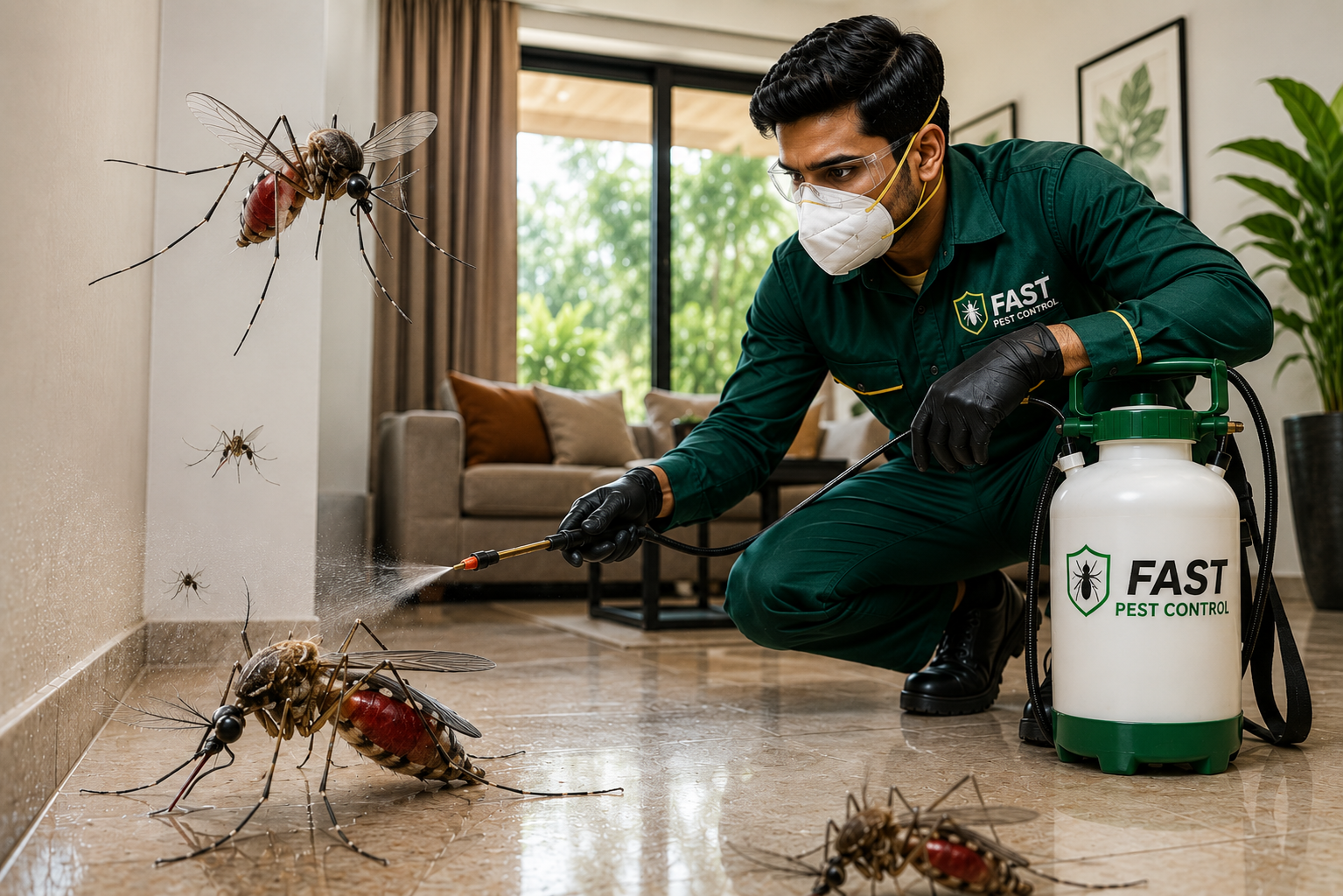
Some mosquito species that transmit disease breed in small water-holding containers around homes. India's National Centre for Disease Control advises covering water storage and emptying, drying and cleaning containers such as coolers and plant trays regularly. WHO also recommends weekly cleaning of domestic water-storage containers and removing objects that can hold water. Disease risk depends on local conditions and the mosquito species present; a pest-control visit should never be treated as a guarantee against illness.
Weekly household check: empty and scrub coolers, plant saucers and other movable containers; cover tanks and drums; turn unused buckets and tyres upside down or store them under cover; and clear accessible roof or balcony drains. If a tank must hold water, keep it covered and follow local public-health guidance for its maintenance. For activity inside or around the property, see our mosquito control service to review the areas and treatment options.
Fogging and container cleanup do different jobs. India's NCDC notes that space spraying can have a transient and variable effect, while source reduction removes places where mosquitoes can breed. If a breeding site is in a public drain, neighboring property or apartment common area, report it to the building manager or relevant civic authority instead of treating only one room.
Cockroaches: More Active, More Visible
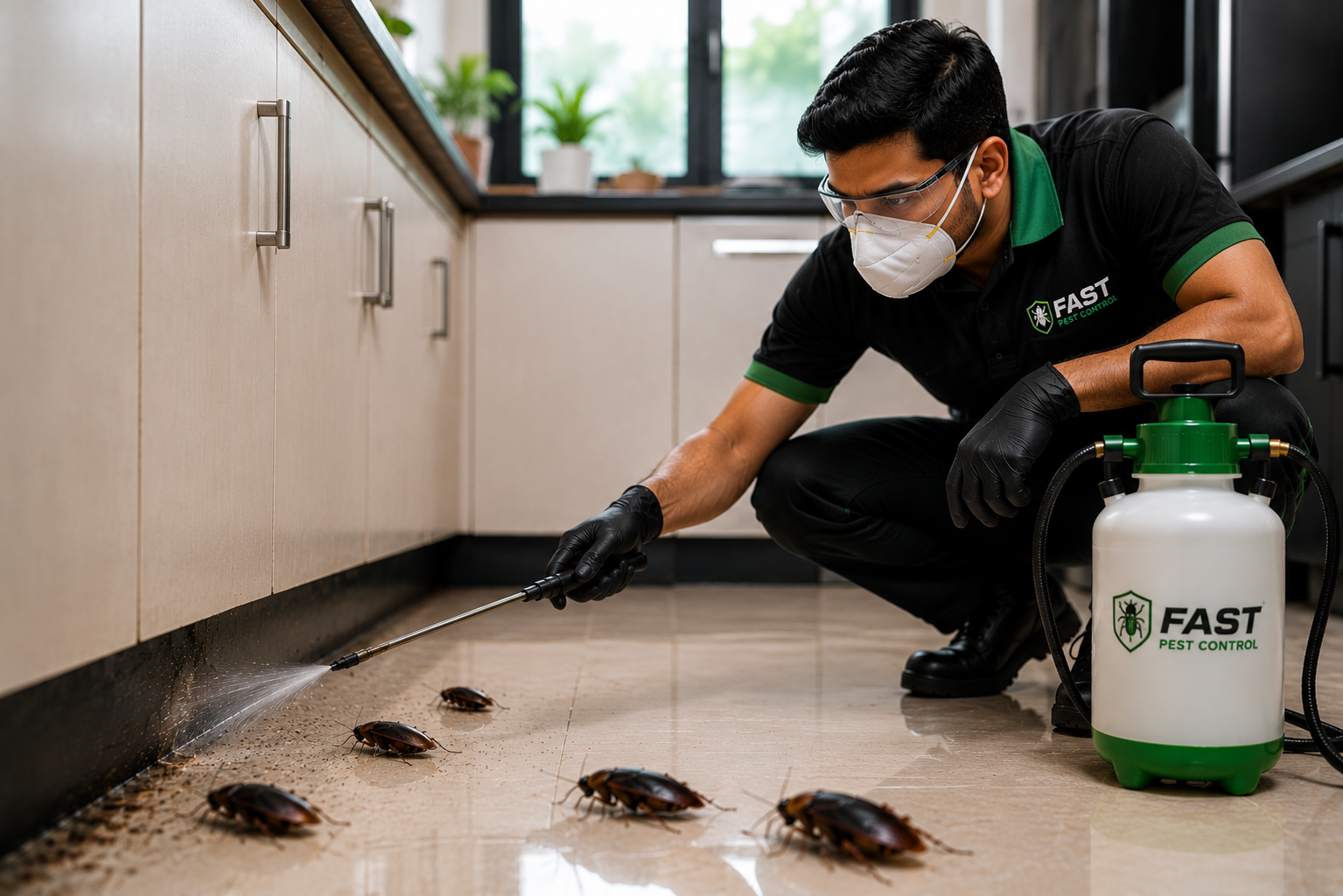
Rain does not mean every household will see more cockroaches, but water leaks, food residue and undisturbed hiding places can support activity at any time of year. Check under sinks, around pipe openings, behind accessible appliances and near waste storage. In apartments, activity can also involve a route through a shared service shaft or drain, which may need the building manager's help.
What helps: repair leaks, keep food sealed, remove waste regularly and clean grease or crumbs from hard-to-reach kitchen edges. Note where and when you see activity so an inspection can focus on the right rooms. If signs continue, our cockroach control service page explains the inspection and treatment process.
Termites: The Quiet Monsoon Risk
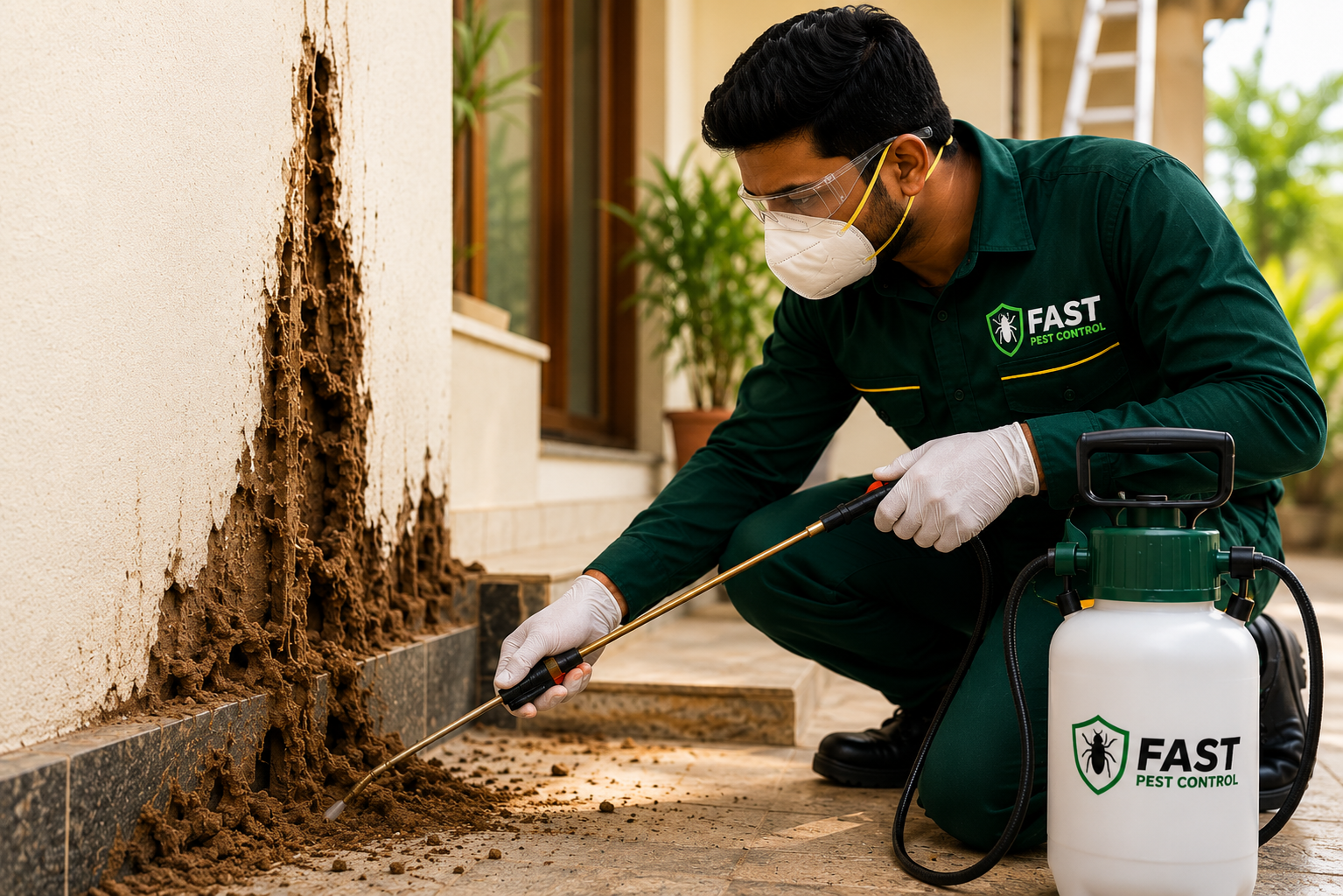
Do not use the season alone to diagnose termites. Check for mud tubes, damaged or hollow-sounding wood, discarded wings or other changes, while remembering that moisture can also cause wood to swell or paint to blister. Fix plumbing leaks and keep wood from direct soil contact where practical. If you notice a possible sign, photograph it and arrange an inspection rather than applying a household spray to an unknown area. Our guide to termite warning signs explains what to look for.
Check Shared Areas in Apartments and Shops
In a flat, hostel, shop row or gated community, some likely breeding or shelter sites may sit outside your unit: terrace drains, water-storage rooms, basement corners, waste areas and common pipe routes. Make a note of the exact location, whether water is standing, and when you noticed it. Share that information with the property manager or residents' association so access and maintenance can be arranged. A treatment inside one home may have limited effect if the source is in a shared area that was not inspected.
For shops and offices, include storerooms, loading areas and unused equipment in routine checks. Keep containers under cover, remove waste that can collect rain and ask maintenance staff to record unresolved leaks or drainage problems. These steps help identify the source; they do not replace a pest-specific inspection when activity continues.
A Weekly Monsoon Pest Checklist
- Cover water tanks and empty, dry and scrub smaller containers and cooler trays.
- Remove or cover unused buckets, tyres, pots and equipment that can collect rain.
- Check accessible roof, balcony and terrace drains after heavy rain.
- Repair leaks and remove food waste, standing water and kitchen residue.
- Record new mud tubes, wing piles or wood damage; arrange inspection if unsure.
- Report water or pest activity in shared spaces to the building manager.
These source-reduction steps are useful whether or not a pest-control visit is booked. If activity persists after the obvious water, food or access issues are addressed, describe the exact location and timing when requesting an inspection. That helps the technician distinguish an indoor problem from an outdoor or shared source.
Frequently Asked Questions
Why can mosquito activity increase during the rainy season?
Rain can leave water in containers, drains and equipment. Some mosquitoes that transmit disease use small water-holding containers near homes, so checking and cleaning those sites weekly is a practical prevention step. Conditions differ by property and species.
Is it worth getting pest control done before monsoon starts, or after?
Do the prevention checks before and during the rains. Book an inspection when you see ongoing pest activity or need help identifying its source; timing alone cannot determine the right treatment.
Does fogging alone prevent mosquitoes from returning?
No single visit can remove every breeding source, particularly outside the inspected area. Fogging targets adult mosquitoes in the treated space; emptying and covering water containers addresses breeding sites. Follow local public-health instructions for community spraying.
Can pest control prevent dengue or malaria?
No pest-control service can guarantee protection from mosquito-borne illness. Remove breeding sites where you can, use suitable bite-prevention measures and follow advice from health authorities. See the NCDC Manual of Zoonotic Diseases of Public Health Importance and the WHO dengue prevention guidance.
Related Articles
Get Ahead of Monsoon Pest Problems
Book a free inspection before the rains bring the usual pest surge.